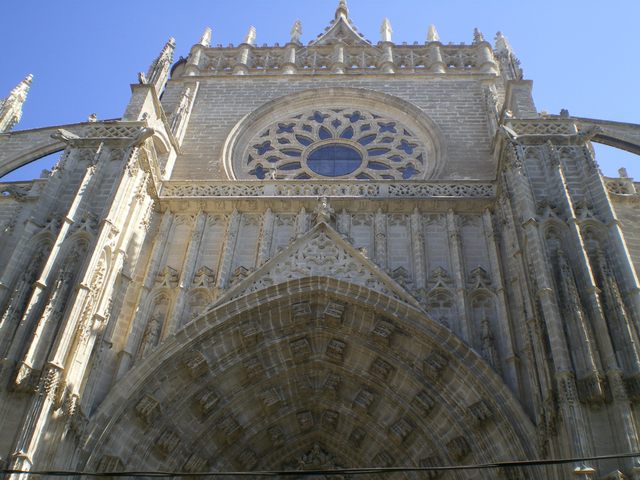
Medieval Seville.
The Christian reconquest of Seville did not mean that craftsmen and merchants left the city; on the contrary, activity continued. The port of Seville was an important intermediate point between Italy and the Baltic countries and the main ports of North Africa.
Although the Muslims were forced to leave the city, they returned shortly afterwards on learning that Alfonso X, son and successor of Ferdinand III, was more tolerant; he also allowed Jews to settle. A writer, intellectual and patron of the arts and sciences, he fostered a great flourishing that brought together the three great cultures: Arab, Jewish and Christian. Alfonso X the Wise had a real soft spot for Seville, and its inhabitants more than returned his affection. In memory of that welcome, Alfonso X bequeathed the famous NO&DO motto (no madeja do... "no me ha dejado", "she has not abandoned me").
In 1401 the chapter of Seville Cathedral took a decision that would shape the religious history of the city: the construction of the Cathedral, which became the largest Gothic church in the world and the third largest in all Christendom. In the 15th century the Christian conquest was completed and Seville became the seat of the Holy Inquisition.
Visit Seville
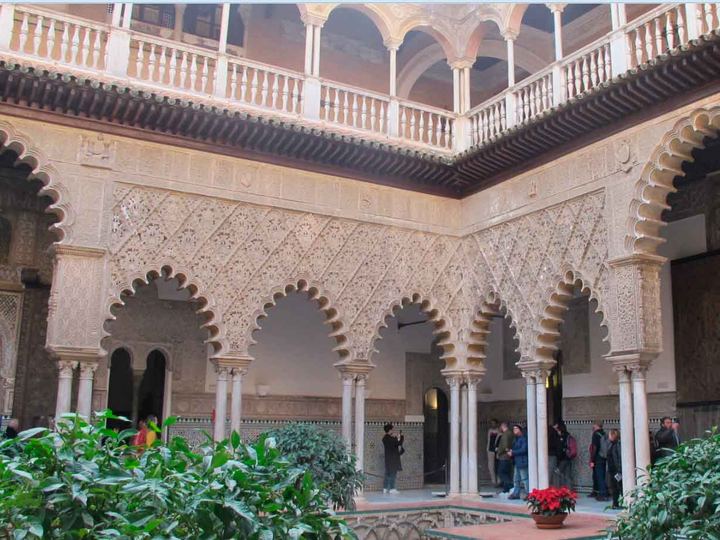
Guided tour of the Cathedral, the Giralda and the Royal Alcázar
Seville's two must-sees with the same official guide and tickets included.
from€65per person
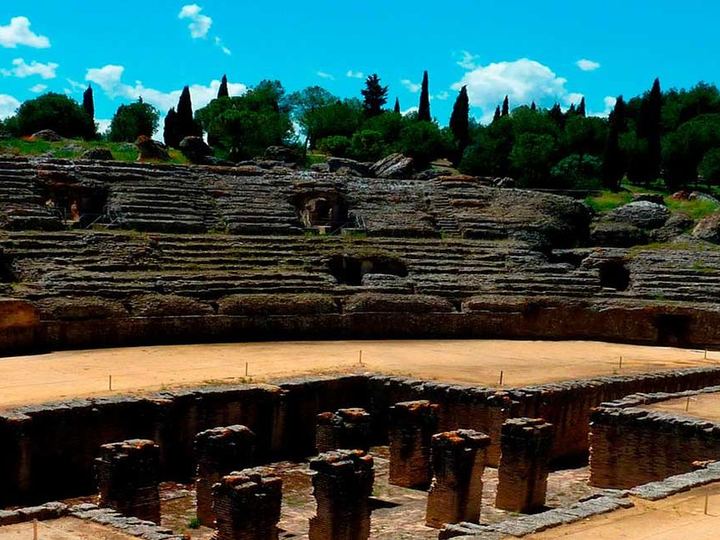
Guided tour of Itálica
The first Roman city in Hispania: amphitheatre, mosaics, baths and theatre. With or without a bus from Seville.
from€21per person